
Coffee Processing Methods
and its taste profiles
Coffee Processing Methods – From Cherry to Coffee Bean
Coffee processing is an important stage in the journey from the coffee tree to the cup. Once the cherries have been harvested, the fruit must be removed or dried before the green coffee beans can be prepared for roasting.
The method used influences how the coffee develops during processing and can have a noticeable effect on its aroma and flavour. Natural, washed and honey processing are three of the best-known methods, each producing a different character in the cup.
Questions Answered on This Page
- What are the main coffee processing methods
- What is the difference between washed and natural coffee?
- What is honey-processed coffee?
- What do Drugar and Wugar mean in Uganda?
- How does coffee processing affect flavour?
1. Natural Processing – The Dry Method
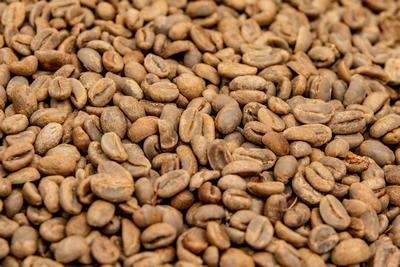
Natural processing is one of the oldest ways of preparing coffee. The freshly harvested cherries are dried whole, with the skin and fruit still surrounding the beans. Once they are sufficiently dry, the outer layers are removed to release the green coffee beans.
As the cherries dry, the beans remain in contact with the fruit and its natural sugars. This can contribute to a pronounced fruit character and a fuller flavour.
Typical flavour notes: Fruity, cane sugar, nectarine, banana and sometimes a wine-like finish.
2. Washed Processing – The Wet Method
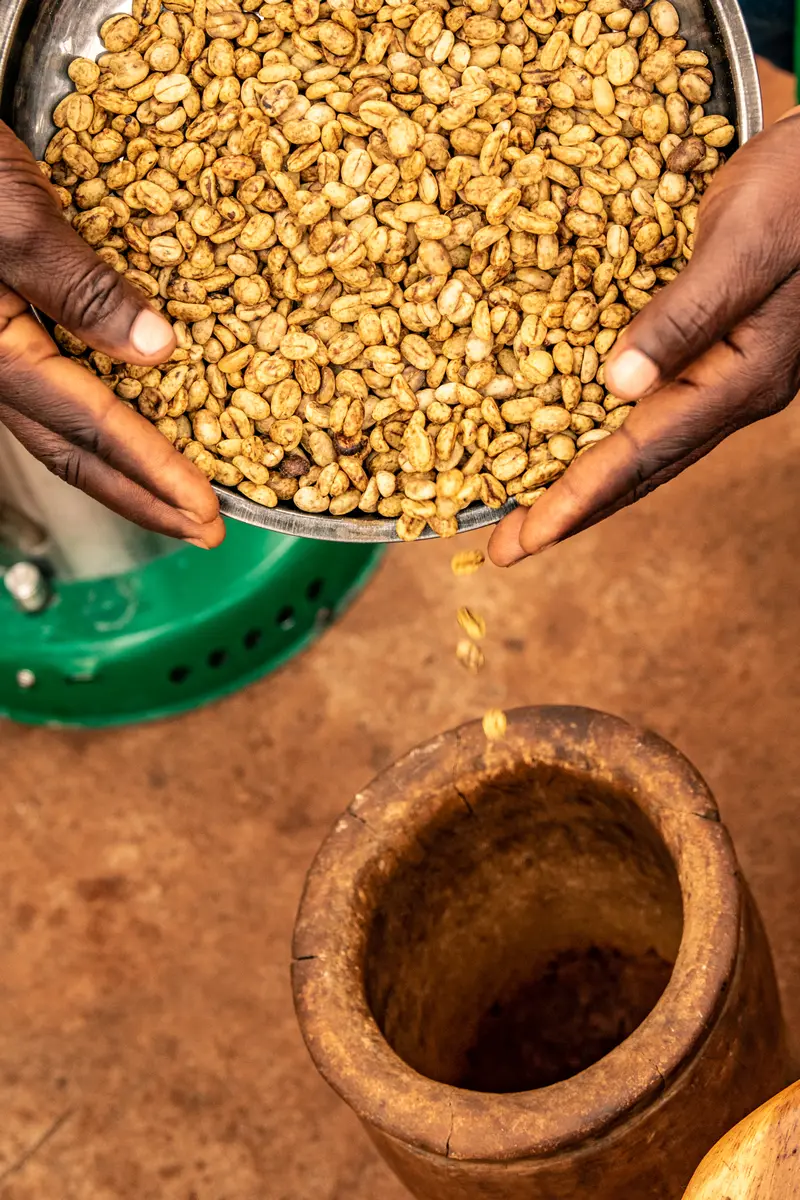
Washed processing is widely used for Arabica coffee. Unlike natural processing, the coffee cherries are pulped shortly after harvesting to remove the outer skin and most of the fruit. The remaining mucilage is then removed before the beans are dried.
There are different ways to carry out wet processing. Two common approaches are full-wash and semi-wash:
Full-wash: After pulping, the coffee is fermented so that the remaining mucilage can be removed through washing. The beans are then dried. Careful management of fermentation and washing is important for maintaining coffee quality.
Semi-wash: The mucilage is removed mechanically after pulping, rather than being left to ferment with the parchment coffee. The beans are washed and dried afterwards. This approach uses less water and reduces the risk of over-fermentation.
Washed coffees are often described as having a cleaner, more defined flavour profile.
Typical flavour notes: Dark chocolate, caramel and a clean, crisp finish.
3. Honey Processing – A Method Between Natural and Washed
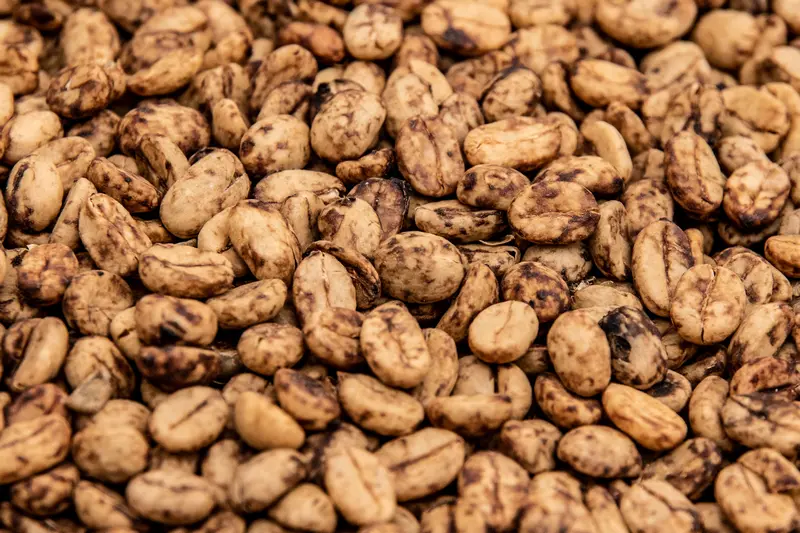
Despite its name, honey processing does not involve adding honey. The name refers to the sticky mucilage, which is the naturally occurring layer of fruit surrounding the coffee bean.
After the cherries are pulped, some or all of this mucilage is left on the beans during drying. The amount retained and the way the coffee is dried influence the final result.
Honey processing is often described using colour categories such as white, yellow, red and black honey. These terms refer to differences in processing and drying, rather than to different coffee varieties.
Honey-processed coffees can combine characteristics associated with both natural and washed coffees, with sweetness and fruit notes playing an important role.
Typical flavour notes: Honey, vanilla, blossom, nuts, lime, caramel and red apple.
How Processing Influences Coffee Flavour
The coffee variety and growing conditions are important, but what happens after harvesting also shapes the final cup. The level of contact between the beans and the coffee fruit, the removal of mucilage, drying and fermentation all influence the development of flavour.
This is also why coffee from the same region or even the same farm can taste quite different when processed using different methods.
Drugar and Wugar – Coffee Processing in Uganda
Uganda has its own coffee trade terminology. Two terms you may come across are Drugar and Wugar.
Drugar stands for Dry Uganda Arabica. The harvested coffee cherries are dried whole, without first removing the skin and pulp. The dried cherries are commonly known as Kiboko before hulling.
Wugar stands for Washed Uganda Arabica and refers to Arabica coffee processed using the washed method.
These terms describe how the coffee is processed and classified, not different Arabica varieties. They are part of the terminology used in Uganda’s coffee trade and are useful to know when learning about coffee from the country.

Learn More About Coffee Processing
Understanding the different processing methods is just one part of discovering what makes each coffee unique. During a coffee workshop or training session with Joel in Sipi, you can explore these methods in more detail and learn how different stages of processing influence the final cup.
Whether you are a coffee enthusiast, a student or someone interested in coffee production, the sessions offer an opportunity to gain practical knowledge directly on a coffee farm.
Interested in learning more? Get in touch with Joel to find out about coffee workshops and training.